TOKYO Muji Zome (Plain Color Dyeing)
Tokyo
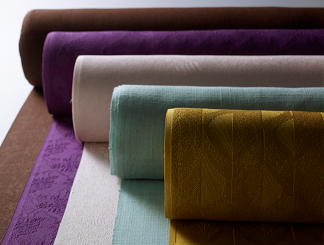
It originated from the plain dyes of Edo purple, indigo, safflower, and Edo tea used by dyers in the mid-to-late Edo period. A characteristic feature is the use of layered dyeing to create color combinations.
overview
| Craft item name | TOKYO Muji Zome (Plain Color Dyeing) |
|---|---|
| Reading | Tokyo Mujizome |
| Classification of crafts | Dyed products |
| Main Products | |
| Main manufacturing area | Chiyoda Ward, Shinjuku Ward, Sumida Ward, Koto Ward, Nakano Ward, Suginami Ward, Toshima Ward, Kita Ward, Itabashi Ward, Nerima Ward, Adachi Ward, Kanagawa Prefecture/Kawasaki City |
| Designated date | November 30, 2017 |
contact address
■ Production area association
Tokyo dyeing industry cooperative association
169-0051
3-20-12 Nishi-Waseda, Shinjuku-ku, Tokyo
TEL: 03-3208-1521
FAX: 03-3208-1523
Please see here for information on traditional craftspeople.