TOKYO Koto (Japanese Harps)
Tokyo
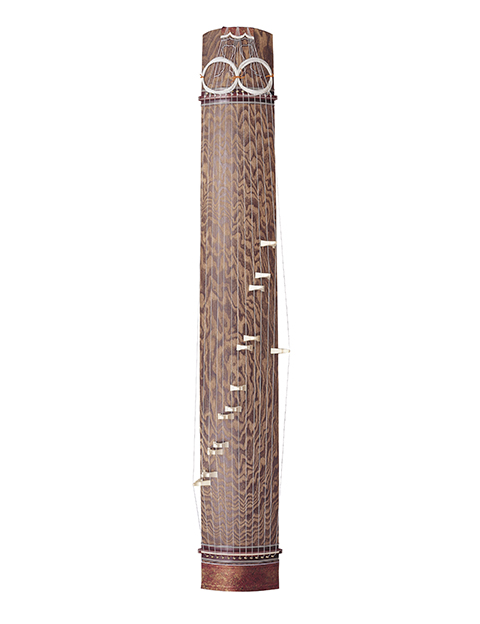
This instrument was created during the Nara period by improving upon the thirteen-stringed koto that was introduced from Tang China along with gagaku (court music). Each koto, crafted with meticulous care by skilled artisans, produces a gentle tone that soothes the listener's heart. It is made from paulownia wood, known for its beautiful grain and minimal warping, and crafted using specialized tools (planes, chisels, saws, and files). Modeled after the dragon, a creature revered in East Asia since ancient times, it is considered a highly prestigious instrument.
overview
| Craft item name | TOKYO Koto (Japanese Harps) |
|---|---|
| Reading | Tokyo |
| Classification of crafts | Other crafts |
| Main Products | Koto |
| Main manufacturing area | Ota Ward, Setagaya Ward, Shibuya Ward, and other areas; Misato City, Saitama Prefecture |
| Designated date | November 16, 2020 |
contact address
■ Production area association
Tokyo Traditional Japanese Musical Instrument Manufacturers' Cooperative Association
Please see here for information on traditional craftspeople.