Ichii Itto Bori (Woodcarving)

Gifu Prefecture

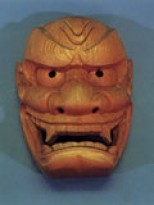
Towards the end of the Edo period, netsuke were created using yew wood from the mountains of Hida, taking advantage of the beauty of the wood grain and employing a unique, uncolored carving technique. From there, the Ichii Itto Bori (Woodcarving) grew significantly.
Since then, it has developed into a representative form of sculpture of Hida.

  • Technology/techniques/raw materials

    Technology/techniques

    1. Using paper templates, saws, chisels, etc., perform "wood cutting" and "rough carving" to bring out the grain of the raw wood and the color of the "white wood" or "red wood" on the surface of the product.

    2. For finishing, the product's outer shape should be carved using a chisel or similar tool to make it sharp or simple.

    3. Do not add color.
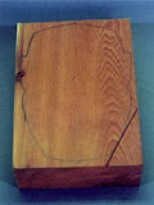
     

    raw materials

    The raw material must be Japanese yew.

  • Work scene

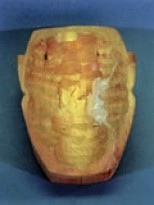
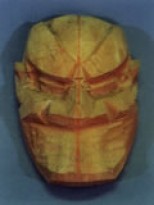
    The yew logs are jointly purchased by the Hida Ichii Itto Bori (Woodcarving) Cooperative, distributed to individual craftsmen, and naturally dried in their respective warehouses. From cutting the wood to the finishing touches, each piece is transformed into a work of art through the meticulous skills of the craftsmen.

    Process 1: Tree removal

    We examine the wood grain and the condition of the redwood and whitewood, then prepare the wood using a saw or hatchet.
    (Yew wood has two colors: reddish sapwood and white sapwood. The part near the bark is white (white sapwood), and the inside is reddish (reddish sapwood). The clear distinction between these two colors is beautifully utilized in artwork.)

    Step 2: Rough cutting

    I'll expand on the image of the artwork and create a rough outline.

    Step 3: Rough carving

    I carve dynamically, bringing the image of the artwork to life.

    Step 4: Inner carving

    Using chisels of various sizes, the artist carefully carves out parts of the piece while considering the overall balance.

    Step 5: Finishing carving

    We will finish every detail with a delicate touch.

    Step 6: Waxing

    We meticulously polish each piece, breathing life into it.
    The yew wood's natural oils (tannins) are drawn to the surface, and over time, it develops color and luster.

overview

Craft item name Ichii Itto Bori (Woodcarving)
Reading Ichiiittoubori
Classification of crafts Woodwork/bamboo products
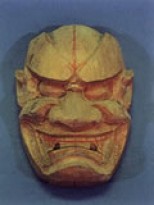
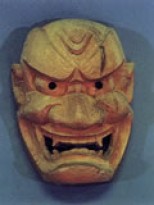
Main Products Tea ceremony utensils, ornaments, masks
Main manufacturing area Takayama City, Hida City, Gero City
Designated date May 10, 1975

contact address

■ Production area association

Ichii Itto Bori (Woodcarving) Traditional Craftsmen's Association
506-0008
1-2 Hatsuda-cho, Takayama City, Gifu Prefecture
TEL: 0577-32-1367

Features

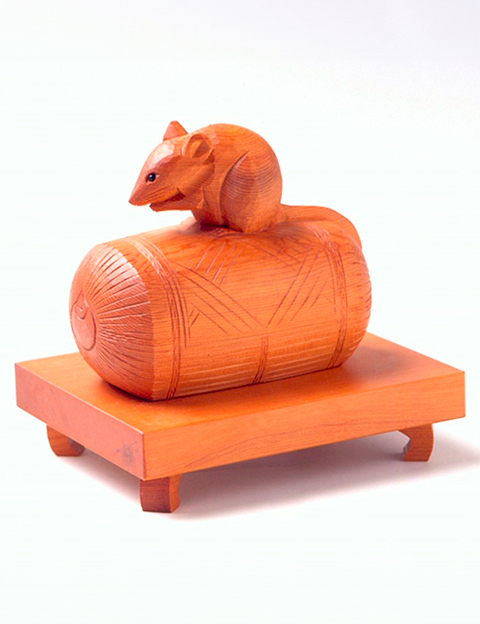
Without adding color, these sculptures fully utilize the natural properties of the wood, creating intricate details in subjects such as small animals and Buddhist statues through skillful chiselwork. The resulting ornaments, crafted from a single piece of wood, possess a powerful presence.

How to make it

The yew wood is dried, and the grain pattern, the color differences between the sapwood (taken near the outside of the tree) and the heartwood (taken from the center), are carefully considered to match the shape of the product. The wood is then cut to the required size. The carving is done by hand using saws, chisels, etc., and the finish leaves the chisel marks on the surface without painting.

Please see here for information on traditional craftspeople.

Japanese traditional craftsman
top