Nagoya seasonal decorations
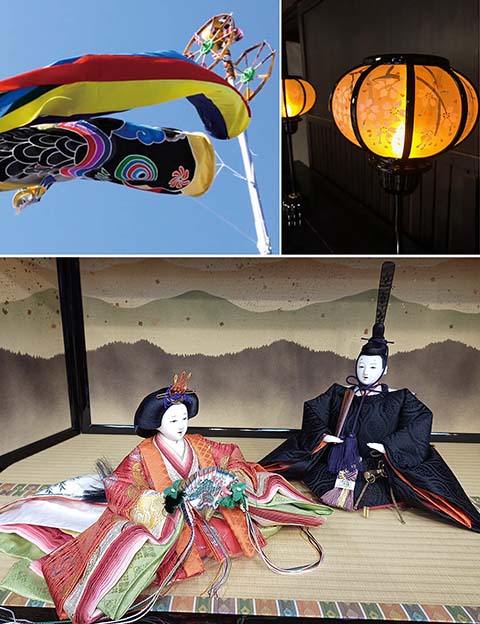
The costumed dolls and other items, backed by traditional techniques passed down since the Edo period, developed to such an extent in the 19th century that they were said to surpass those of Kyoto, a leading center for seasonal decorations. The techniques were established in 1916, and the main raw materials have been continuously used since 1903.
Within the production area, we have a wide range of skilled technicians and have established an integrated production system. As the seasonal festivals, in which people celebrate the birth of their children and pray for their healthy growth with Hina dolls, May dolls, and other seasonal items, have become widespread in ordinary households, we have leveraged the advantages of the Chubu region to produce a diverse range of products that suit the tastes of both the east and west, and have expanded our sales channels throughout the country.
overview
| Craft item name | Nagoya seasonal decorations |
|---|---|
| Reading | Nagoya Sekku Kazari |
| Classification of crafts | Dolls and Kokeshi dolls |
| Main Products | (Dolls) Hina dolls, May dolls, folk dolls, Ichimatsu dolls, (Banners and flags) Warrior banners, Shoki flags, carp streamers, (Snow lanterns) Snow lanterns, candlesticks |
| Main manufacturing area | Nagoya City, Okazaki City, Gifu City (Gifu Prefecture), and others |
| Designated date | January 15, 2021 |
contact address
■ Production area association
Chubu Doll and Festival Goods Industry Cooperative Association
451-0043
2-15-17 Shindo, Nishi-ku, Nagoya City, Aichi Prefecture
Inside the Aichi Prefecture Confectionery Association Hall
TEL: 052-564-1020
FAX: 052-564-1021
Features
Nagoya seasonal decorations consist of three types of crafts: dolls, banners, and paper lanterns. (Dolls) They rival those of the two major production areas of Kyoto and Tokyo, and are characterized by a style that can be described as an eclectic blend of Eastern and Western influences. (Banners) They are characterized by large banners unique to Nagoya that are not seen anywhere else, and "yellow-bellied carp" with bright yellow bellies. (Paper lanterns) They are characterized by an abundance of high-quality Japanese paper such as MINO Washi (Papers) and Obara washi, as well as wood materials such as Kiso cypress and pine, and are non-foldable and cannot be reshaped, such as glass lanterns and glass lanterns.
How to make it
(Doll) Head making and body making → Costume making → Dressing → Choreography → Finishing touches → Completion
(Banners and flags) Frame hanging → Tube stretching → Dyeing and sun drying → Washing → Cutting, sewing and attaching the rim → Completion
(Snow lantern) Firebox construction → Frame construction → Assembly → Painting → Interior lining → Painting → Metal fittings attachment → Completion
Please see here for information on traditional craftspeople.